Truck Body Modifications Northern Rivers
Built to last, our custom fabrication delivers strength, precision & proper fit for utes, trucks & structures.
Auto & Structural Fabrications
Fully Equipped Workshop
Northern Rivers' Welding Specialists
Custom Builds, Every Time
Designed to Do More
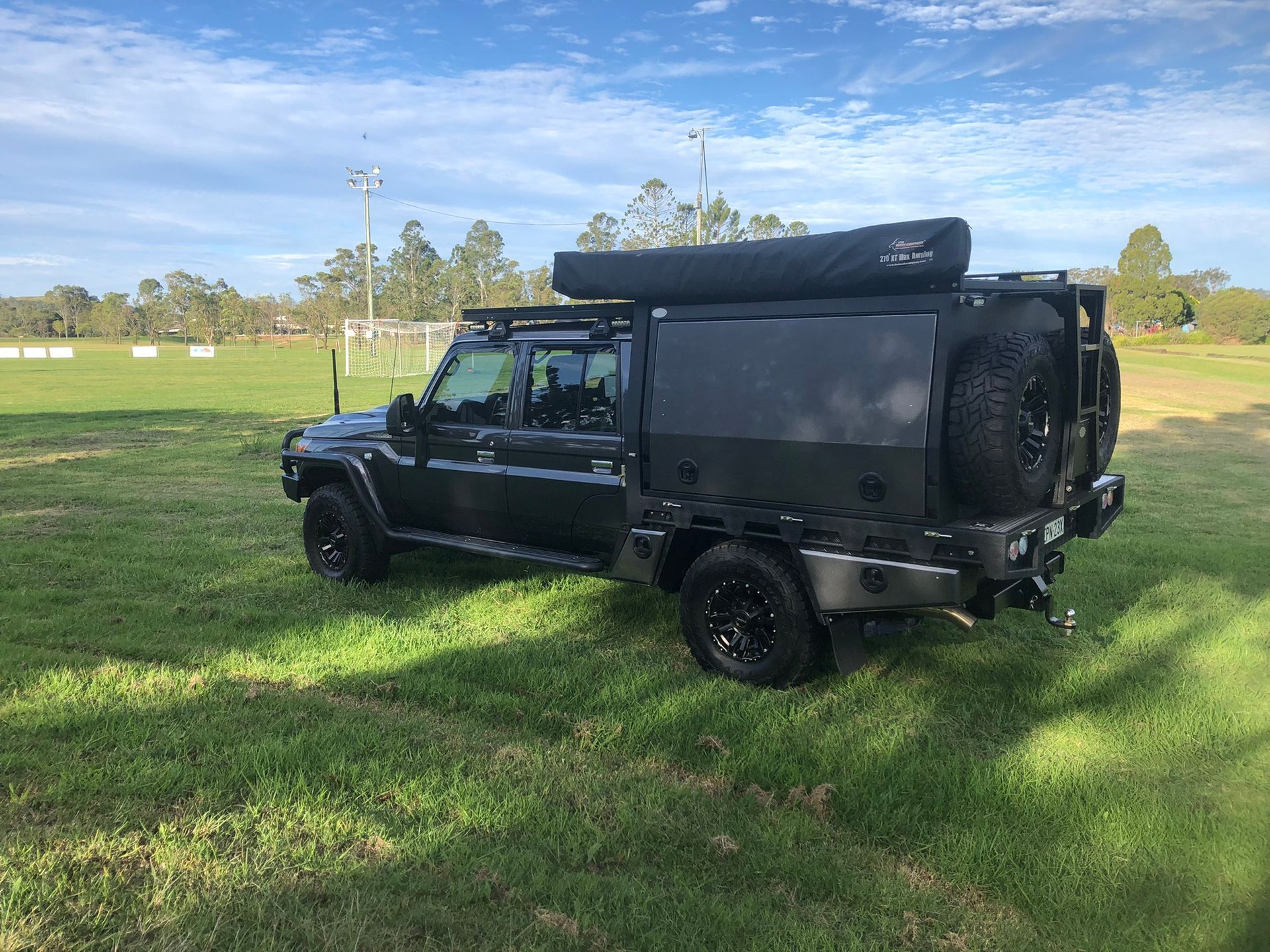
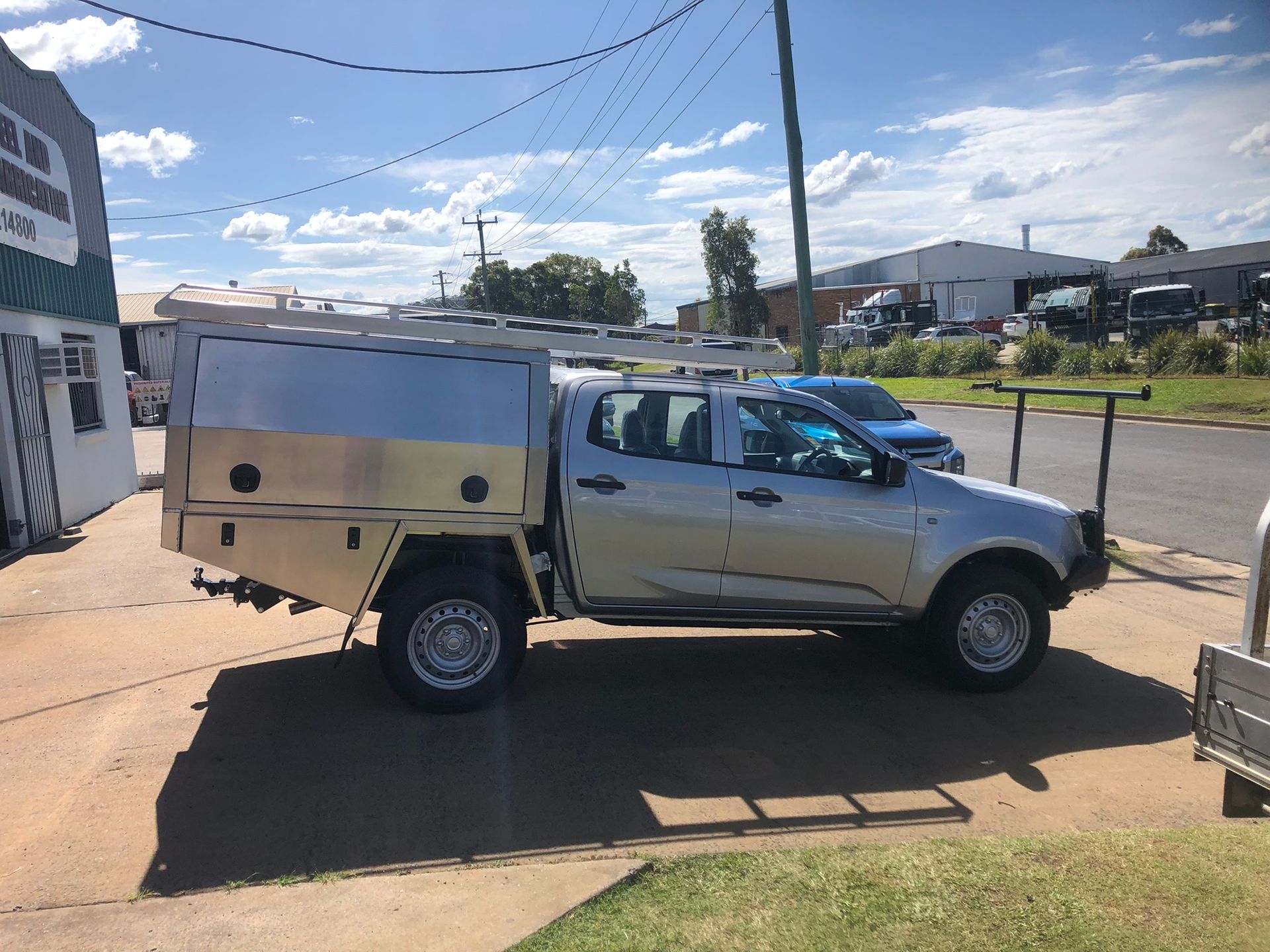
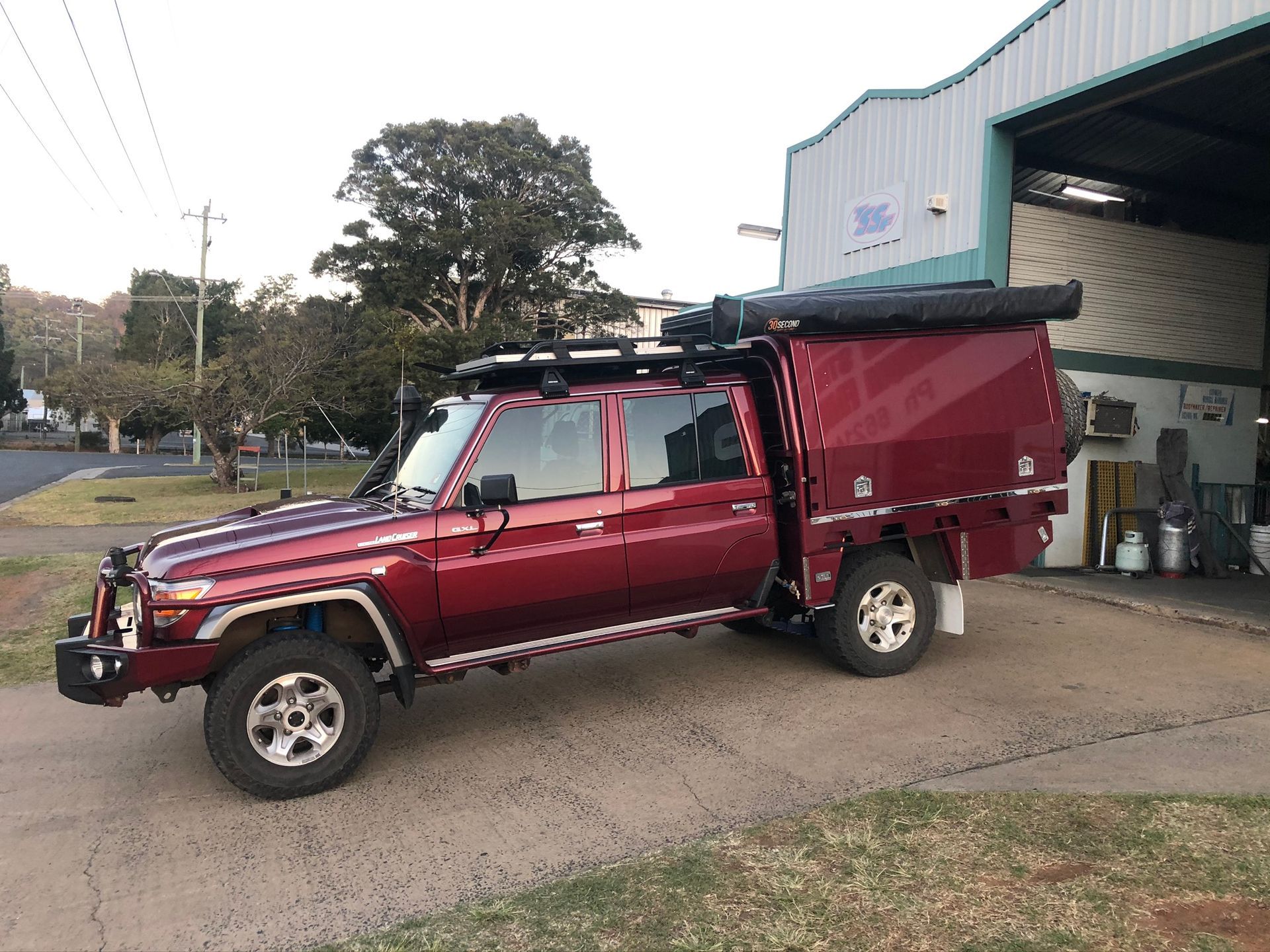
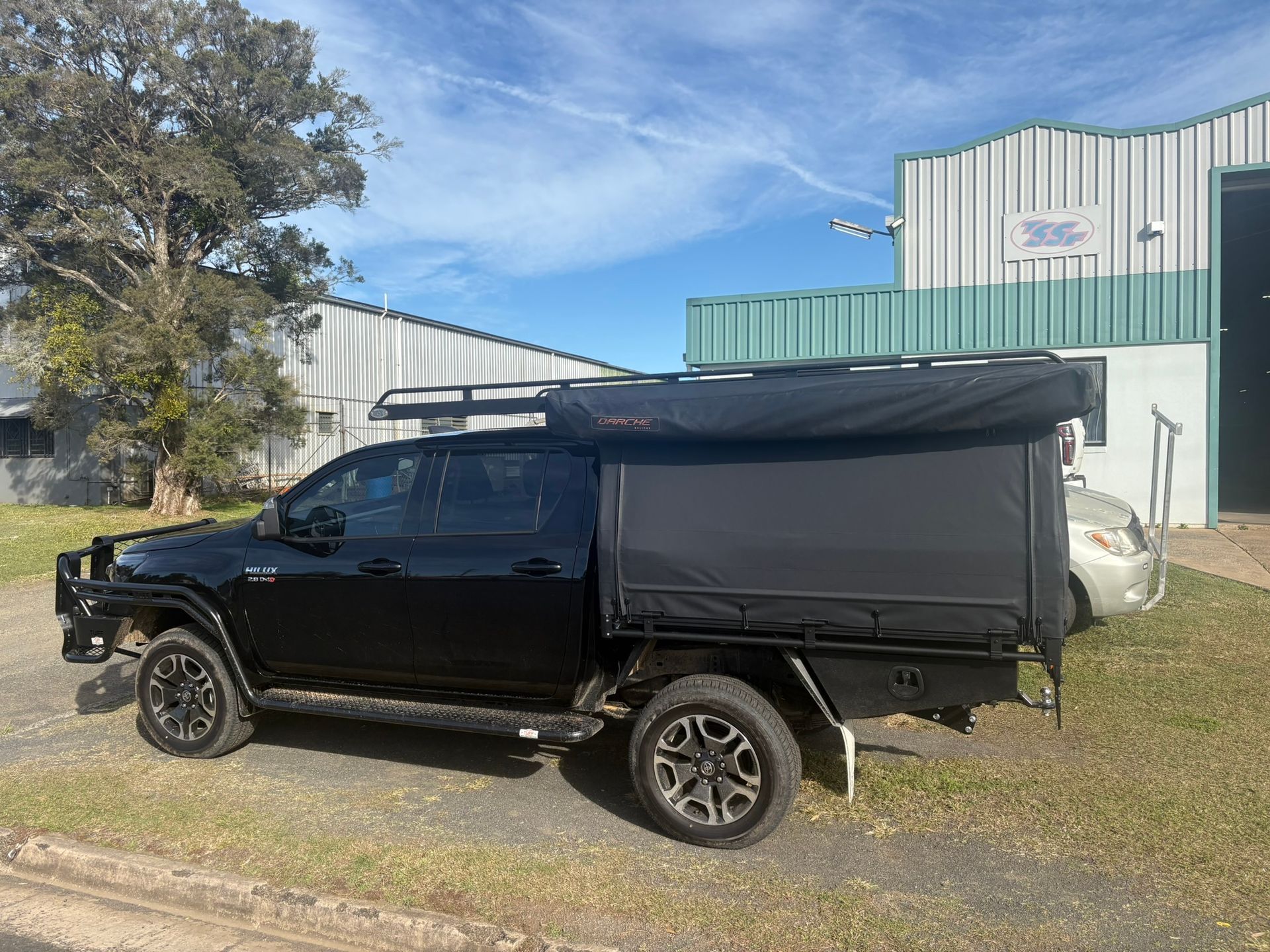
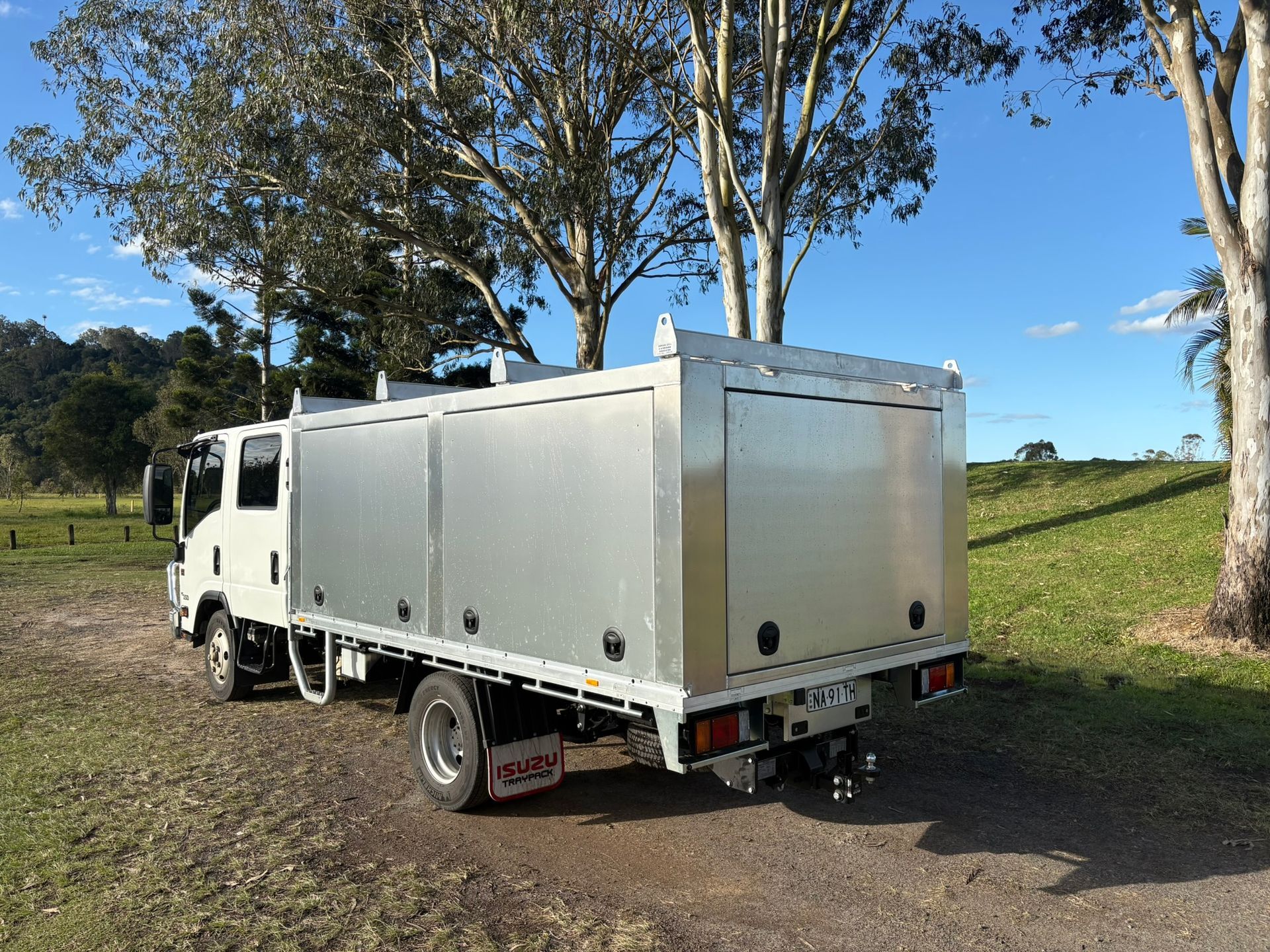
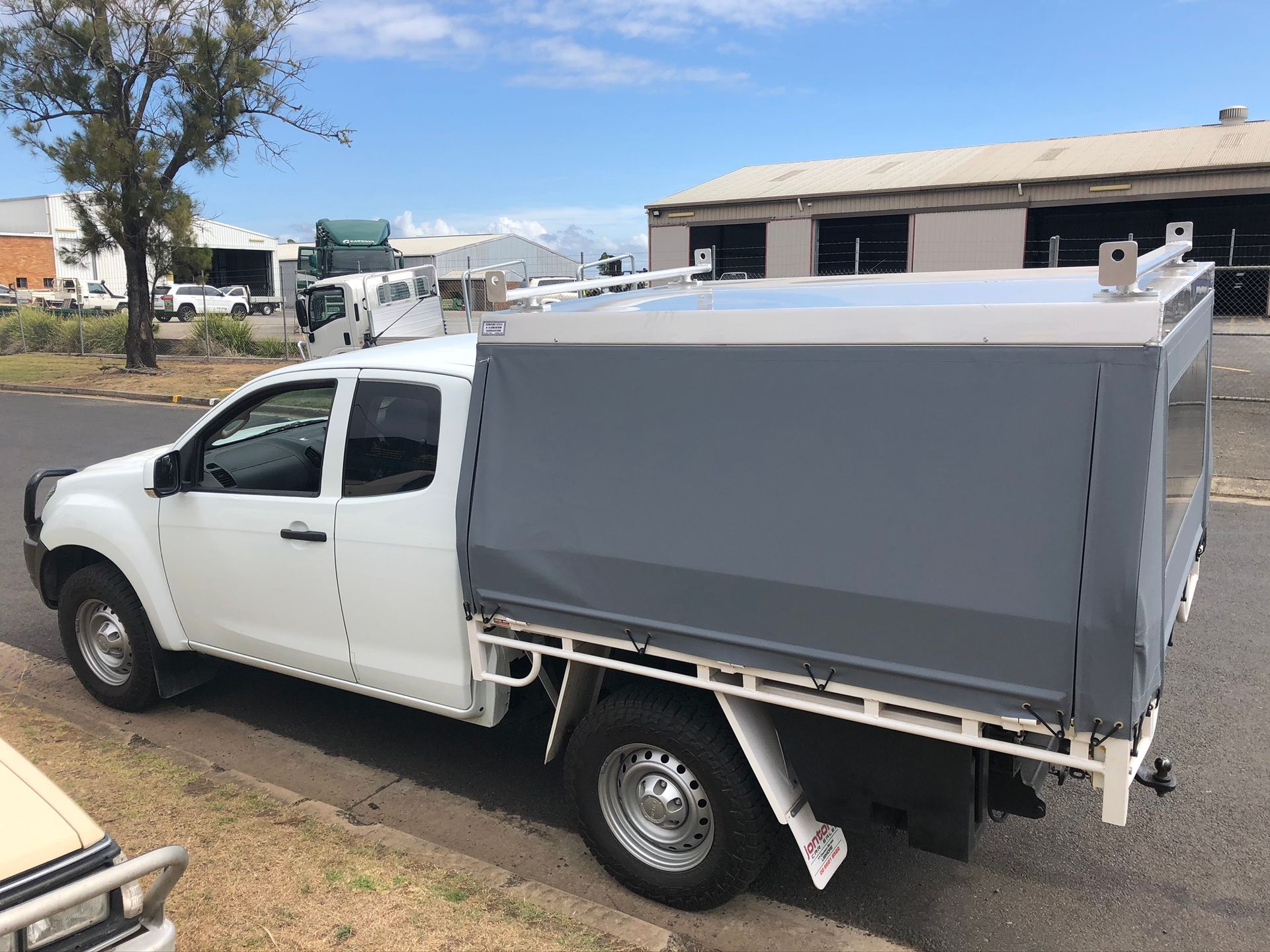
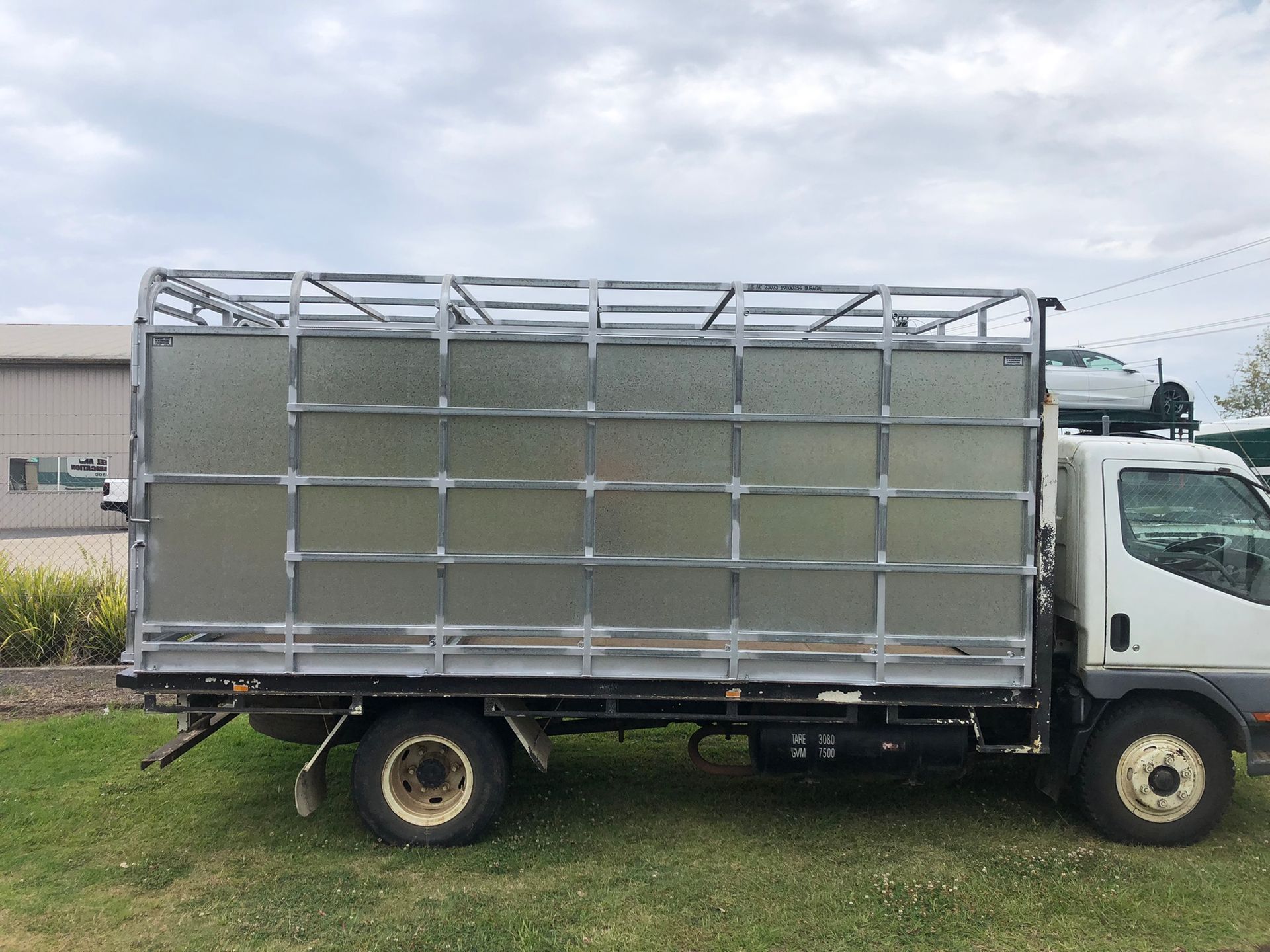
Trucks aren’t one-size-fits-all, and neither are the jobs they do. At Soward Steel & Aluminium Fabrication, we handle custom truck body modifications in the Northern Rivers for heavy-duty use, trade operations and industry applications. Whether you need a service body upgrade, tipper conversion or chassis adjustment, we build to match your workflow, payload and safety needs.
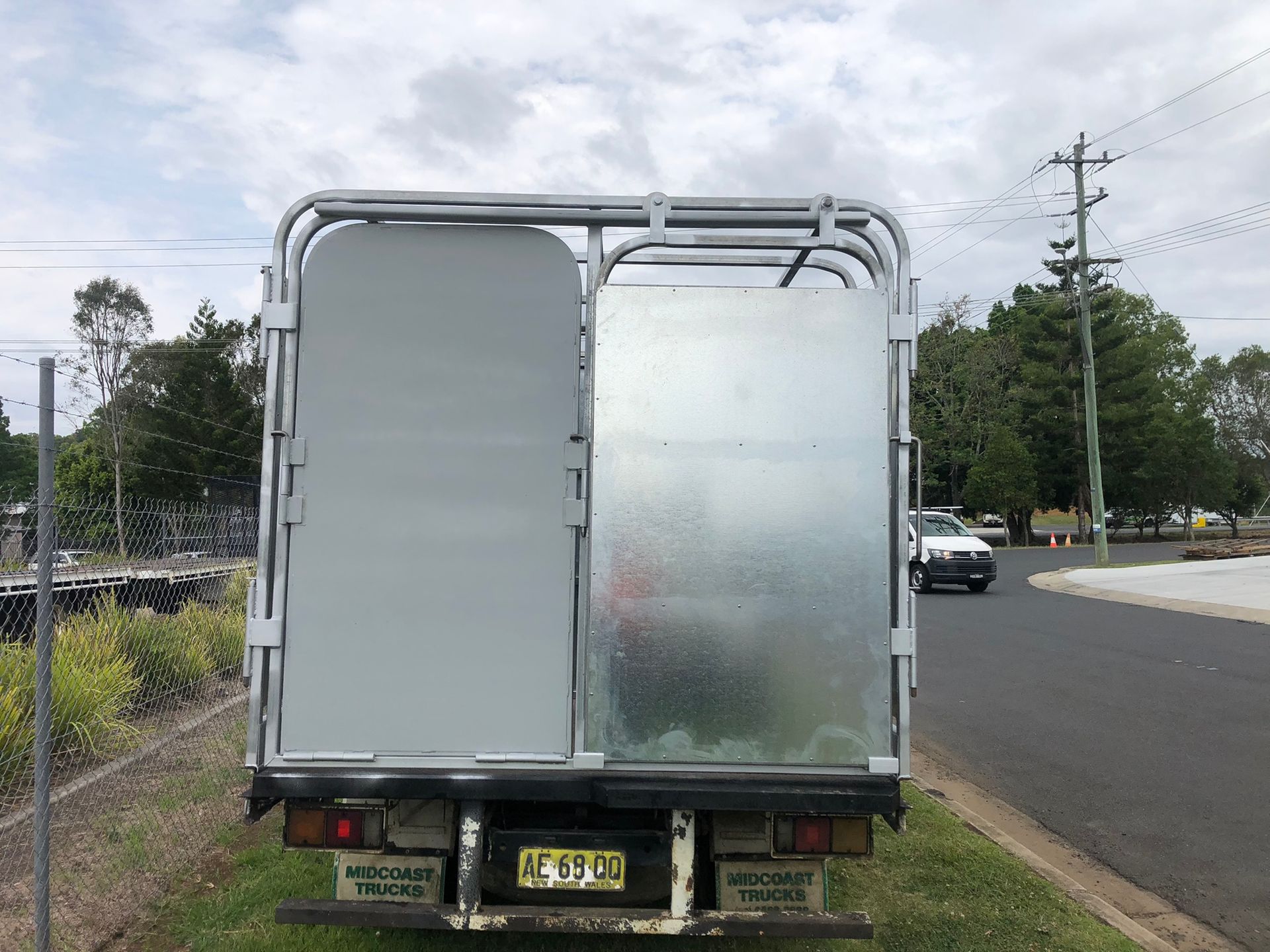
Each project is designed and fabricated at our South Lismore workshop using high-strength steel or aluminium. We work with transport operators, field service crews and tradies across Lismore, Ballina, Casino, Kyogle and Byron Bay. Contact us on (02) 6621 4800 to find out what else we can do for your rig today.
Contact Us Today
Thank you for contacting Soward Steel & Aluminium Fabrication.
We will get back to you as soon as possible.
Oops, there was an error sending your message.
Please try again later.
Frequently Asked Questions
Got questions about custom fabrication or compliance requirements? Here are the answers to some of the most common things people ask.
What kinds of modifications can be made to truck bodies?
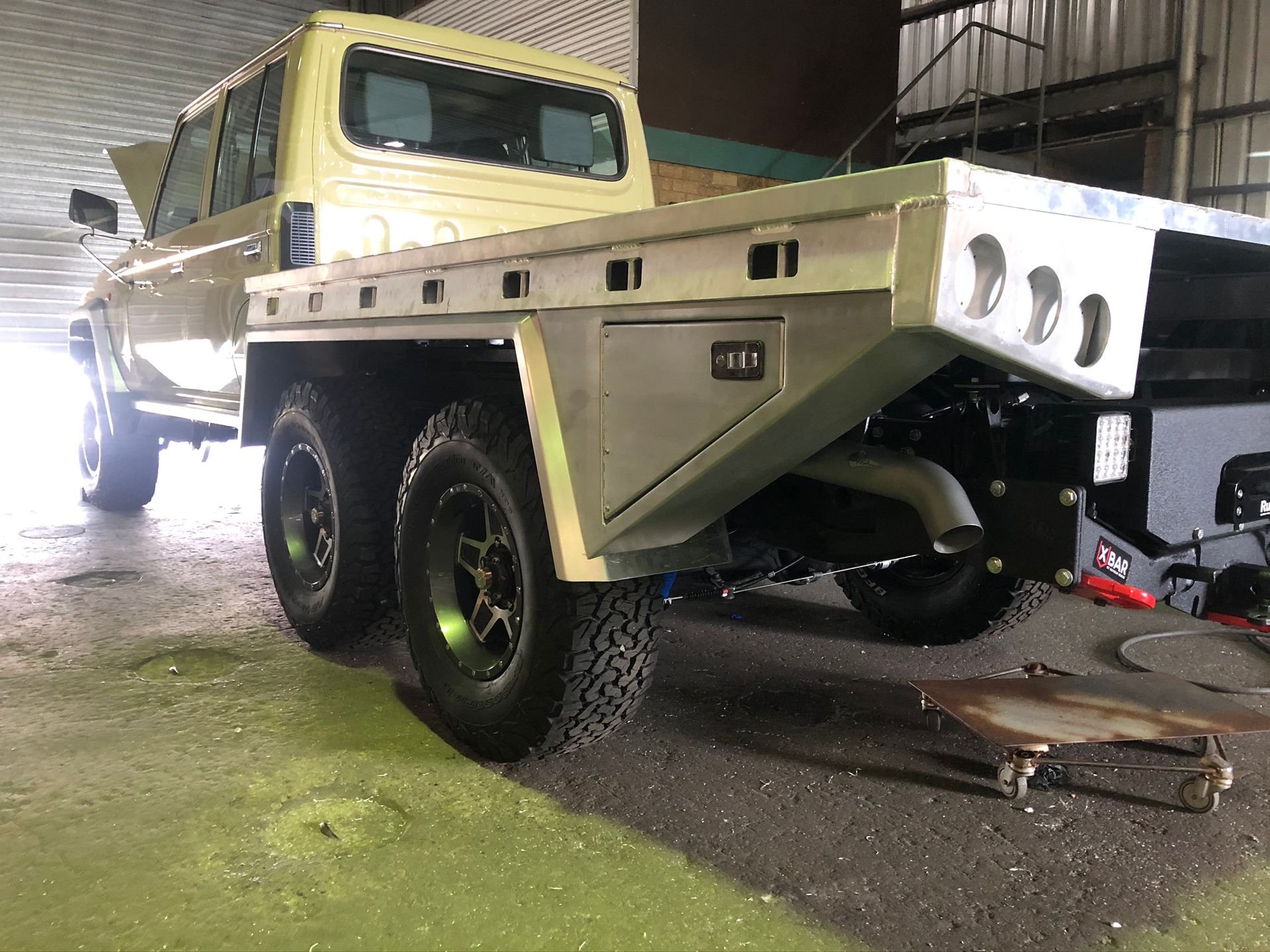
Truck body modifications can include service body fit-outs, tool storage systems, tipper conversions, custom trays, reinforced crane or hoist mounts, side access doors, shelving, and underbody storage. Larger upgrades might involve chassis extensions or GVM upgrades. Modifications can be tailored to suit trade requirements, specific load types, or site safety needs. Professional fabrication ensures all structural changes meet relevant standards and are designed to handle real-world working conditions without compromising the vehicle’s performance or safety.
Do truck body modifications affect GVM or insurance?
Yes, certain modifications can impact both your truck’s Gross Vehicle Mass (GVM) and its insurance. If the modification changes the vehicle's tare weight or increases its load-carrying capacity, a GVM upgrade or re-certification may be required. This usually needs engineering approval and must comply with state or federal vehicle standards. Insurance providers may also require documentation for modifications to ensure continued coverage. It's important to consult your insurer and a licensed engineer or fabricator before making any changes to avoid compliance issues or claim complications.
What is required for chassis modifications to be legal in NSW?
In NSW, chassis modifications must comply with strict regulations to remain legal. This includes design certification by a licensed vehicle engineer and adherence to guidelines such as the VSB6 for heavy vehicles or the NSW Code of Practice for light vehicle modifications. The fabrication must be carried out by a competent workshop using appropriate materials, techniques, and welding standards (e.g., AS 1554). The work must also avoid high-stress areas, such as near suspension mounts, and include proper reinforcement. After completion, the modification must be inspected and certified before the vehicle can be legally registered or used on the road.
Tough Mods, Smart Fitouts
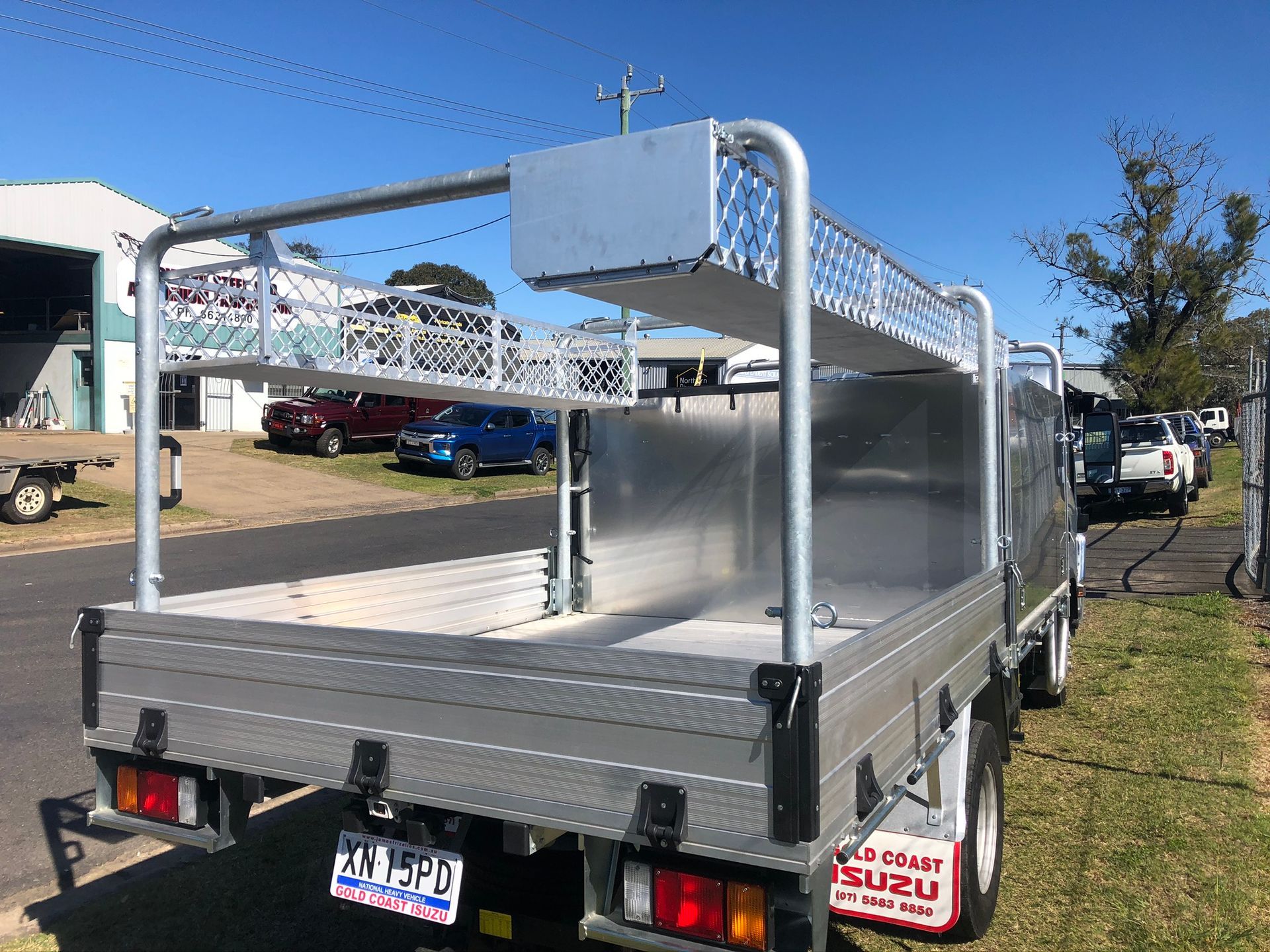
We modify truck bodies to suit trade, commercial and industrial use. That includes service bodies, tanks,
chassis extensions and reinforced mounting for cranes or hoists. Every build is engineered for strength and compliance, with options tailored to your load, access points and on-site requirements. Truck body modifications can extend the lifespan and versatility of your vehicle, adapting it for more specialised or demanding tasks. We also fabricate
custom bull bars and
tow bars, if you’re ready to drive it, we’re ready to build it. Let’s talk through the options.
Chassis Extensions
Chassis extensions require more than just extra length. They demand structural precision, engineering sign-off and full compliance with road safety regulations. We assess every modification for load, stress points and material compatibility, then fabricate using high-tensile steel or aluminium depending on the job. All joins are reinforced and positioned away from critical stress zones, with every step focused on strength, compliance and vehicle integrity.